
Utoljára frissítve:
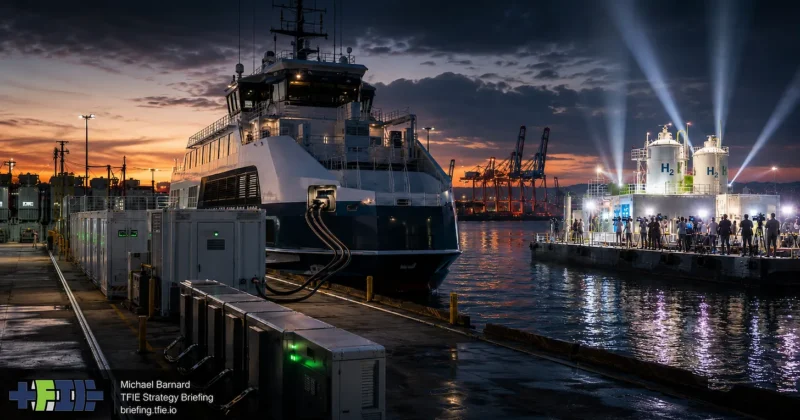
A hidrogénnel működő hajók egyre nagyobb figyelmet kapnak, miközben a kikötők és a hajózási társaságok tisztább és hatékonyabb módszereket keresnek a tengeri közlekedés energiaellátására. A Temzén található tilburyi kikötőben egy fontos bemutató során hidrogénből előállított elektromos árammal töltöttek fel egy kereskedelmi elektromos hajót, ami új kérdéseket vet fel a hidrogén szerepéről a hajótöltés és a kikötői infrastruktúra jövőjében.
Ezt a kísérletet a GeoPura vezette, és bemutatta, hogyan alakítható át a hidrogén elektromos energiává, majd hogyan juttatható el az elektromos hajókhoz — még akkor is, ha maga a jármű akkumulátorral működik. A próba rávilágít azokra az egyedi kihívásokra, amelyekkel a kikötők a nagy teljesítményű töltés során szembesülnek, és azt vizsgálja, hogy a hidrogénüzemanyagcellák reálisan támogatni tudják-e az elektromos hajók töltését nagy léptékben. Ahogy a globális hajózás a dekarbonizáció felé mozdul, kulcsfontosságú megérteni, hogy a hidrogén hol fér el ebben az átmenetben a kikötői hatóságok, üzemeltetők és technológiai szolgáltatók számára.
Hogyan működnek a hidrogénnel hajtott hajók
A hidrogénnel működő hajók koncepciója arra épül, hogy a hidrogént energiahordozóként használják elektromos áram előállítására, amelyet aztán a hajók meghajtására vagy akkumulátoraik töltésére használnak. A közelmúltbeli tilburyi kikötői teszt során nem egy közvetlenül hidrogénnel működő hajó volt a fókuszban, hanem az, hogy hidrogénből előállított villamos energiával töltsenek fel egy elektromos hajót.
A GeoPura rendszere egy úszó platformra szerelt hidrogénenergia-egységet tartalmazott, amely öt Ballard üzemanyagcellán keresztül 300 kW teljesítményt biztosított. A hidrogén először elektrolízisen megy keresztül — ekkor megújuló villamos energia bontja szét a vizet hidrogénre és oxigénre. Ezt a hidrogént aztán tárolják és a kikötőbe szállítják, ahol az üzemanyagcellák ismét elektromos árammá alakítják, amelyet a hajók töltésére használnak.
Bár a technológia bevált és látványos — képzeljünk el egy uszályt, amely egy hidrogéngenerátort visz egy modern elektromos hajó mellett — a valódi kérdés az, hogy ez a módszer mennyire versenyképes más megoldásokkal, mind hatékonyság, mind a mindennapi kikötői működés szempontjából.
Az elektromos hajók töltésének kihívásai a kikötőkben
A kikötők világszerte jelentős akadályokkal szembesülnek, amikor nagy teljesítményű töltést kell biztosítaniuk az elektromos hajók számára. Egyetlen rakpart több száz kilowattot, sőt akár több megawattot is igényelhet, a helyi hálózati csatlakozások azonban gyakran nem képesek ilyen hirtelen, nagy terhelést biztosítani költséges fejlesztések nélkül.
A kikötői infrastruktúra ilyen igényekhez igazítása időigényes és drága. Az ipari területeken végzett földmunkák és kábelezés megzavarhatja az üzemelést, miközben a hajók energiaigénye jellemzően csak akkor csúcsosodik, amikor kikötnek és gyors töltésre van szükségük — néha mindössze egy-két órára.
Ezeket a rövid, intenzív teljesítményigényeket a meglévő hálózatok nehezen kezelik egyenletesen. Ezért keresnek a kikötők alternatívákat, köztük helyszíni akkumulátoros tárolást és — ahogy Tilburyben is láthattuk — hidrogénalapú megoldásokat az elektromos hajók töltésére.
Hidrogén és akkumulátoros tárolás összehasonlítása hajótöltéshez
Amikor a hidrogénnel hajtott hajókat és az akkumulátoros töltési megoldásokat hasonlítjuk össze, az eltérés a hatékonyságban gyorsan láthatóvá válik. A kikötői akkumulátoros tárolás egyfajta „puffert” biztosít: egy kisebb hálózati csatlakozás két hajóérkezés között feltölti az álló akkumulátorokat, ezek pedig a hajó kikötésekor gyorsan nagy mennyiségű energiát adnak le. Ez a rendszer kisimítja a hálózati terhelést, és lehetővé teszi az elektromos hajók gyors, nagy kapacitású töltését.
A hidrogén ennél összetettebb úton jut el a hasznosítható energiáig. A megújuló villamos energia elektrolízissel hidrogént hoz létre, amelyet tárolnak és szállítanak, majd a kikötőben üzemanyagcellák segítségével ismét elektromos árammá alakítanak. A GeoPura szerint körülbelül 3,1 MWh villamos energiára van szükség ahhoz, hogy a teljes körforgás után mindössze 1 MWh felhasználható villamos energia keletkezzen. Ez azt jelenti, hogy a hidrogénalapú töltés nagyjából egyharmad annyira hatékony, mint a közvetlen akkumulátoros tárolás.
E veszteségek ellenére az olyan hidrogénrendszerek, mint a GeoPura megoldása, bizonyos helyzetekben értékesek lehetnek — például távoli helyszíneken, ideiglenes telepítéseknél vagy ott, ahol a hálózati csatlakozás erősen korlátozott. A legtöbb forgalmas kikötő számára azonban az akkumulátoros megoldások egyszerűbb és energiatakarékosabb utat kínálnak az elektromos hajók töltéséhez.
A GeoPura hidrogéngenerátor: felhasználási területek és korlátok
A GeoPura hidrogéngenerátort arra tervezték, hogy tiszta, hálózattól független energiát állítson elő számos felhasználási területen. Elektrolizálókat használ, amelyek megújuló villamos energiából hidrogént termelnek, hidrogéntároló tartályokat, valamint üzemanyagcellákat, amelyek igény szerint ismét kibocsátásmentes villamos energiává alakítják a hidrogént. A rendszer hordozhatósága lehetővé teszi, hogy dízelgenerátorokat váltsanak ki építkezéseken, rendezvényeken és távoli létesítményekben.
A tilburyi kikötőben ez a technológia megmutatta, hogy képes 300 kW teljesítményt biztosítani egy elektromos hajónak. Ugyanakkor az energiahatékonysági veszteség — az input energia nagyjából kétharmadának elvesztése — megnehezíti, hogy állandó, nagy forgalmú kikötői alkalmazásoknál, ahol az elektromos hajók töltése a fő cél, gazdaságosan indokolható legyen.
Ott emelkedik ki igazán a GeoPura hidrogéngenerátora, ahol a hagyományos hálózati csatlakozás nem megoldható vagy nem áll rendelkezésre. Ilyen példák:
- Ideiglenes építkezések, ahol csendes, kibocsátásmentes tartalék energia szükséges
- Rendezvények vagy fesztiválok távoli helyszíneken
- Kritikus infrastruktúra vészhelyzeti áramellátása
- Távoli kutatóállomások vagy hálózattól független létesítmények
Azoknál a kikötőknél, ahol a hajótöltéshez folyamatosan nagy elektromos teljesítményre van szükség, az akkumulátoros tárolásba és a hálózatfejlesztésbe való befektetés általában jobb hosszú távú gazdaságosságot és egyszerűbb üzemeltetést kínál.
A hidrogénnel működő hajók skálázhatósága és jövője
Az olyan bemutatók, mint a tilburyi, elengedhetetlenek az új technológiák megismertetéséhez, de az igazi próba az ismétlődő alkalmazásban rejlik. Egy skálázható elektromos hajótöltő rendszerhez rendszeres ügyfelekre, magas kihasználtságra, kezelhető tarifákra és olyan infrastruktúrára van szükség, amely egyre költséghatékonyabbá válik, ahogy egyre több hajó áll át elektromos vagy hibrid meghajtásra.
Az akkumulátoros tárolási megoldások már most is ezek közül sokat teljesítenek. Nemcsak a hajókat, hanem a teherautókat, a kikötői berendezéseket és akár az épületeket is képesek kiszolgálni, zökkenőmentesen illeszkedve a meglévő hálózatokhoz és támogatva a szélesebb körű dekarbonizációs célokat. Eközben a hidrogénnel működő hajók és a kapcsolódó töltőinfrastruktúra új hidrogénellátási láncokat, speciális tárolási és kezelési megoldásokat, valamint folyamatos beruházásokat igényel az üzemanyagcella-technológiába.
A kereskedelmi áttörés akkor érkezik el, amikor a kikötők és hajózási társaságok kézzelfogható számokra tudnak hivatkozni: az összes kiszolgált hajó, a leadott megawattórák mennyisége, az összehasonlított költségek és annak bizonyítéka, hogy más kikötők is átveszik ezeket a rendszereket a valós eredmények láttán. Addig a kikötőkben alkalmazott hidrogénenergia inkább niche vagy tartalék megoldás maradhat, nem pedig az elektromos hajótöltés gerince.
Hidrogén és akkumulátoros megoldások összehasonlítása: hatékonyság és infrastruktúra
A hidrogénnel működő hajók és az akkumulátoros töltés közötti választás a hatékonyságon, a költségeken és az üzemeltetési összetettségen múlik. Az alábbi összehasonlítás jól mutatja az egyes megközelítések fő szempontjait:
| Szempont | Hidrogénnel működő hajók | Akkumulátoros tárolás |
|---|---|---|
| Körfolyamat-hatékonyság | ~33% (1 MWh kimenet 3,1 MWh bemenetből) | ~85-95% |
| Infrastruktúraigény | Hidrogéntermelés, tárolás, üzemanyagcellák, biztonsági rendszerek | Akkumulátorok, inverterek, minimális új biztonsági protokollok |
| Kilowattóránkénti költség | Magasabb (az összetett ellátási lánc miatt) | Alacsonyabb (érett technológia, csökkenő akkumulátorárak) |
| Ideális felhasználás | Távoli/hálózaton kívüli, ideiglenes, tartalék energia | Nagy forgalmú, hálózatra kapcsolt kikötők |
| Skálázhatóság | Kihívást jelent (hidrogénellátási lánc szükséges) | Bizonyítottan skálázható |
Az akkumulátoros tárolás egyértelmű előnnyel rendelkezik a hatékonyság, a költségek és a meglévő kikötői infrastruktúrával való integráció terén. A hidrogénnel működő hajók bizonyos helyzetekben szerephez juthatnak, de a széles körű elterjedéshez meg kell oldani az energia-veszteségeket, az ellátási lánc logisztikáját és a költségkorlátokat.
Gyakran ismételt kérdések
Mik azok a hidrogénnel működő hajók?
A hidrogénnel működő hajók hidrogént használnak üzemanyagként, hogy fedélzeti üzemanyagcellákon keresztül elektromos áramot termeljenek, amely aztán elektromos motorokat hajt. Egyes hajókat úgy terveznek, hogy teljesen hidrogénnel működjenek, míg mások hidrogénből előállított elektromos energiát használnak az akkumulátorok töltésére. A cél az üvegházhatású gázok kibocsátásának csökkentése és a fosszilis tüzelőanyagoktól való függés mérséklése a tengeri közlekedésben.
Hogyan használták a hidrogént elektromos hajók töltésére a tilburyi kikötőben?
A tilburyi kikötőben a GeoPura egy hidrogénenergia-egységet telepített, amely a helyszínen kívül előállított hidrogént vett át, üzemanyagcellákkal elektromos árammá alakította, és ezt az energiát egy elektromos hajó töltésére használta. Ez a bemutató bizonyította a hidrogénből előállított villamos energia hajótöltésre való technikai megvalósíthatóságát, bár maga a hajó akkumulátorral működött, nem hidrogénüzemanyagcellákkal.
Melyek a fő kihívások a hidrogén használatában az elektromos hajók töltésénél?
A legnagyobb kihívás az energiahatékonyság. Ha a hidrogént villamos energiából állítják elő, majd üzemanyagcellák segítségével ismét villamos energiává alakítják, az eredeti energia nagyjából kétharmada elvész. A hidrogén tárolásának és kezelésének logisztikája és biztonsága is összetett, és a teljes költség a legtöbb kikötői alkalmazásban magasabb, mint az akkumulátoros alternatíváké.
Gyakorlati megoldás-e a hidrogénenergia minden kikötő számára?
A hidrogénenergia leginkább ott praktikus, ahol a hálózati csatlakozások gyengék vagy nem állnak rendelkezésre, illetve ahol rövid ideig tiszta, csendes, hálózattól független energiára van szükség. A legtöbb forgalmas kikötőben, ahol nagy és kiszámítható az energiaigény, az akkumulátoros tárolórendszerek hálózatfejlesztéssel kombinálva általában hatékonyabbak és költséghatékonyabbak az elektromos hajók töltésére.
A hidrogén leváltja majd az akkumulátorokat a tengeri energiaellátásban?
Valószínűbb, hogy a hidrogén és az akkumulátorok egymás mellett léteznek majd, különböző szerepeket betöltve. Az akkumulátorok jól illeszkednek a hálózatra kapcsolt, nagy forgalmú kikötőkhöz, míg a hidrogén a hálózattól független üzemelést, a távoli helyszíneket támogathatja, vagy tartalék energiaforrásként szolgálhat. Mindkét technológiának megvannak a maga előnyei a kikötő és a hajózási műveletek konkrét igényeitől függően.
Következtetés
A tilburyi kikötő bemutatója a hidrogénnel működő hajók és az elektromos hajók töltésének alkalmazásával betekintést nyújt a tengeri energiaellátás alakuló világába. Bár a hidrogénüzemanyagcellák és a GeoPura-hoz hasonló generátorok technológiailag lenyűgözőek, hatékonysági és költségbeli hátrányaik miatt az akkumulátoros megoldások jelentik a vezető választást a legtöbb kikötői elektrifikációs projekt esetében. Ahogy a kikötők hálózatfejlesztésekbe és nagyléptékű akkumulátoros tárolásba fektetnek, az elektromos hajók töltése mindennapossá válik, csendesen támogatva a tisztább, fenntarthatóbb tengeri közlekedést.
Ha érdekel a tengeri energia jövője, és többet szeretnél megtudni a hidrogénnel működő hajókról, az elektromos hajótöltésről és a tilburyihez hasonló kikötők új fejlesztéseiről, iratkozz fel hírlevelünkre a legfrissebb hírekért és szakértői elemzésekért.


