
Utoljára frissítve:
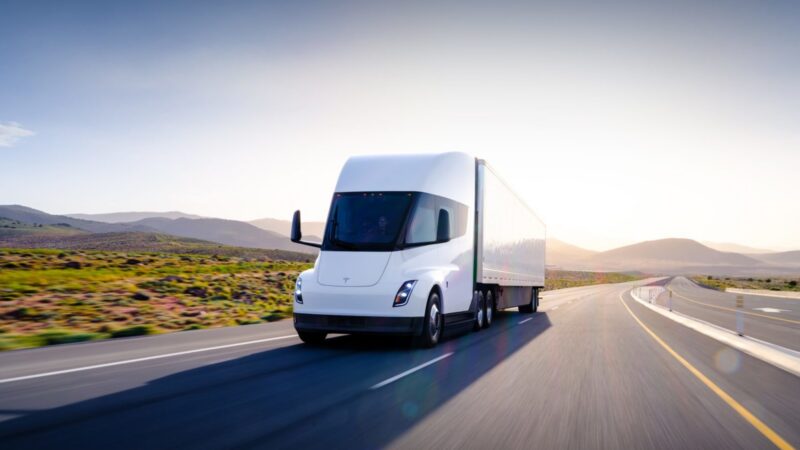
A Tesla Semi európai bevezetése jelentős mérföldkövet jelent mind a Tesla, mind az európai haszongépjármű-piac számára. Ahogy a Tesla úttörő elektromos teherautója végre kész átkelni az Atlanti-óceánon, a flottakezelők és a fenntarthatósági szakértők szerte Európában figyelemmel kísérik, hogy a Tesla Semi miként formálja át az elektromos nyergesvontatók piacát.
Az évekig tartó várakozás, pilotprogramok és gyártási késedelmek után a Tesla Semi most komoly hatást készül gyakorolni az európai logisztikára. A lépés olyan időszakban érkezik, amikor a zéró kibocsátású áruszállítási megoldások iránti kereslet csúcsra jár, és a közlekedés dekarbonizációjára nehezedő szabályozási nyomás is fokozódik. A hamarosan megrendezésre kerülő hannoveri IAA Transportation konferencia további részleteket ígér, de a lendület már most is nő a Tesla Semi európai bevezetése körül.
A hosszú út a Tesla Semi Európába érkezéséig
A Tesla elektromos teherautóját először 2017-ben mutatták be, és merész ígéreteivel nagy izgalmat keltett: lenyűgöző hatótáv, alacsony üzemeltetési költségek, valamint az a képesség, hogy felülmúlja a dízelversenytársakat. Az út azonban a prototípustól a gyártásig nehéznek bizonyult. Az ellátási lánc problémái, az akkumulátortechnológia fejlesztése és a vállalati prioritások változása miatt a Tesla Semi csaknem egy évtized alatt jutott el a koncepciótól a kereskedelmi valóságig.
A próbatermelés végül 2022 végén indult el, és négy évnyi korlátozott volumenű gyártás után a Tesla 2026. április 29-én a nevadai Gigafactory 1 üzemben nagy sorozatgyártásra váltott. Bár az Egyesült Államok volt az elsődleges fókusz, a Tesla Semi Európa most már határozottan a látóhatáron van, jelezve a Tesla szándékát, hogy közvetlenül versenyezzen a bevett európai haszongépjármű-gyártókkal.
Az európai bevezetés különösen figyelemre méltó a régió ambiciózus klímacéljai és a nehézgépjárművekre vonatkozó szigorú kibocsátási szabályai miatt. Mivel a dízel teherautók egyre nagyobb vizsgálat alá kerülnek, a Tesla elektromos teherautójának európai megjelenése felgyorsíthatja a tisztább áruszállításra való átállást.
Rekorddöntő megrendelések jelzik a piaci bizalmat
Éppen akkor, amikor a nagy volumenű gyártás beindult, a Tesla megszerezte eddigi legnagyobb Semi-megrendelését: 500 darabot az Einride, egy svéd áruszállítási technológiai vállalat számára. Bár ez a konkrét Tesla Semi rendelés amerikai útvonalakra készül, a svéd cég részvétele jól mutatja a nemzetközi érdeklődést a Tesla haszongépjárművei iránt, és megalapozza a jövőbeli európai megrendeléseket.
Az Einride flottája a Tesla Semi járműveit olyan ügyfelek számára, mint az Amazon, az Egyesült Államok nagy logisztikai folyosóin fogja üzemeltetni, ami az elektromos teherautók növekvő elfogadottságát tükrözi a globális logisztikai szereplők körében. Ezek a korai, nagy léptékű bevetések értékes hivatkozási alapként szolgálnak azoknak az európai flottáknak, amelyek az elektromos nyergesvontatókra való átállást fontolgatják.
Más, a Teslával már meglévő kapcsolatban álló vállalatok — köztük a PepsiCo, a DHL és a Frito-Lay — várhatóan jelentős megrendelésekkel követik majd ezt, különösen, amint a Tesla Semi európai bevezetése hivatalossá válik. Az ilyen nagy figyelmet kapó bevetések európai piacra gyakorolt hatása jelentős lehet.
Mit várhatunk a Tesla Semitől Európában
Bár az európai specifikációk és az árképzés részletei még váratnak magukra, az amerikai Tesla Semi változatok jó támpontot adnak. Az Egyesült Államokban a Standard Range modell ára körülbelül 260 000 dollárról indul, és mintegy 325 mérföld (523 km) hatótávot kínál egy 548 kWh-s akkumulátorral, míg a Long Range verzió ára 290 000 dollár, és egy 822 kWh-s akkumulátorral körülbelül 500 mérföldet (804 km) tud megtenni.
Az európai fuvarozási útvonalak és szabályozások eltérnek az amerikaiaktól, de az a képesség, hogy egyetlen töltéssel több mint 500 km zéró kibocsátású fuvarozást kínál, a Teslát versenyképes helyzetbe hozza mind a dízel, mind más elektromos nyergesvontató európai opciókkal szemben. A teherautó várható gyorstöltési képességei, fejlett biztonsági funkciói és alacsonyabb teljes birtoklási költsége szintén vonzó lesz az európai flottakezelők számára.
Az európai szabványokhoz való testreszabással kapcsolatos részletek — például a jármű méretei, a töltési kompatibilitás és a regionális biztonsági előírások — az IAA Transportation konferencián várhatók. Az első jelek arra utalnak, hogy a Tesla a Semi-t az európai közutakhoz és logisztikai követelményekhez kívánja igazítani, biztosítva, hogy megfeleljen vagy felülmúlja a helyi megfelelőségi elvárásokat.
- Hatótáv: Akár 800 km (a Long Range verzióra vetítve)
- Akkumulátor: Becsült 822 kWh a Long Range változatnál
- Töltés: Nagy sebességű Megacharger-hálózat tervezve
- Biztonság: Fejlett Autopilot, ütközéselkerülés, sávtartás
- Teljes birtoklási költség: Alacsonyabb üzemanyag- és karbantartási költségek a dízelnél
Hogyan állja meg a helyét a Tesla elektromos teherautó az európai riválisokkal szemben
Az európai elektromos teherautó-piac már most is versenyképes, olyan nagy gyártókkal, mint a Volvo, a Daimler és a MAN, amelyek zéró kibocsátású teherautókat kínálnak. A Tesla belépése azonban több egyedi előnyt is hoz, különösen az akkumulátortechnológia, a töltési infrastruktúra és a szoftveres integráció terén.
A hagyományos gyártókkal ellentétben a Tesla az akkumulátor-ellátási láncának jelentős részét maga ellenőrzi, és saját fejlesztésű technológiát használ a teljesítmény optimalizálására. A Tesla Megacharger-hálózatának tervezett európai kiépítése tovább billentheti az egyensúlyt, csökkentve a töltési időt és növelve a flották üzemidejét. A Tesla szerint a Semi mérföldenként kevesebb mint 2 kWh energiát használ, ami évente több százezer kilométeren jelentős üzemanyag-megtakarítást eredményez.
Egy közvetlen összehasonlítás jól mutatja, miben emelkedik ki a Tesla Semi:
| Modell | Becsült hatótáv (km) | Akkumulátorcsomag (kWh) | Gyorstöltés | Alapár (USD/EUR) |
|---|---|---|---|---|
| Tesla Semi (Long Range) | 800 | 822 | Igen (Megacharger) | $290,000 |
| Volvo FH Electric | 300 | 540 | Igen (CCS) | ~€350,000 |
| Daimler eActros 600 | 500 | 600 | Igen (MCS/CCS) | ~€350,000 |
| MAN eTruck | 600 | Unknown | Igen (MCS) | N/A |
Bár az európai Tesla Semi modellek végleges ára hamarosan napvilágot lát, az amerikai adatok arra utalnak, hogy a Tesla agresszív költségversenyképességre törekszik, különösen akkor, ha a teljes birtoklási költséget is figyelembe vesszük.
A hatás az európai logisztikára és fenntarthatóságra
A nehézgépjárművek az EU teljes üvegházhatásúgáz-kibocsátásának mintegy 6%-áért felelősek, és az erős szabályozási kezdeményezések — például az Európai Zöld Megállapodás — arra késztetik a logisztikai vállalatokat, hogy csökkentsék szén-dioxid-kibocsátásukat. A Tesla Semi európai modelljének érkezése jelentősen felgyorsíthatja a flották elektrifikációját, környezeti és gazdasági előnyöket egyaránt nyújtva.
Az üzemeltetők számottevő üzemanyag- és karbantartási költségcsökkenésre számíthatnak. Például a dízel teherautók éves szinten több mint 50 000 eurónyi üzemanyagot is elhasználhatnak a nagy futásteljesítményű útvonalakon. A Tesla szerint a Semi elektromos hajtáslánca akár 50%-kal is csökkenti ezeket az üzemeltetési költségeket, miközben a regeneratív fékezés és a kevesebb mozgó alkatrész tovább mérsékli a karbantartási állásidőt.
Ezen túlmenően a Tesla Semi adatkapcsolata és szoftveres integrációja valós idejű flottakezelést, útvonaloptimalizálást és vezeték nélküli frissítéseket ígér — olyan funkciókat, amelyek növelhetik az üzemeltetési hatékonyságot és az új digitális közlekedési szabályozásoknak való megfelelést.
Az európai logisztikai vállalatok korai bevezetői valószínűleg profitálhatnak a márkaismertségből, az alacsonyabb kibocsátási jelentéstételből és az ügyfelek fenntarthatósági céljaival való összhangból. Ezek az ösztönzők, a kereskedelmi elektromos járművekre vonatkozó esetleges állami támogatásokkal együtt, a Tesla Semi európai bevezetését az iparág egyik kulcsfontosságú fejleményévé teszik.
Kihívások a Tesla Semi európai bevezetése előtt
Annak ellenére, hogy számos előnnyel rendelkezik, a Tesla Semi több kihívással is szembesül az európai piacon. A bevált márkákkal való verseny, amelyek hosszú ideje fennálló kapcsolatokat ápolnak a flottakezelőkkel, többet igényel majd puszta műszaki adatoknál és alacsonyabb költségeknél.
Az infrastruktúra jelentős akadály. Miközben a Tesla Megacharger-hálózata Észak-Amerikában bővül, egy hasonló hálózat kiépítése Európa-szerte jelentős befektetést és szabályozási koordinációt igényel majd a nemzeti kormányokkal és az áramszolgáltatókkal. A meglévő iparági szabványokkal — például a CCS és MCS töltési protokollokkal — való kompatibilitás szintén kulcsfontosságú lesz a széles körű elterjedéshez.
Az európai fuvarozás sokféle követelményének való megfelelés — a városi kézbesítéstől a nemzetközi hosszú távú útvonalakig — próbára teszi a Tesla alkalmazkodóképességét. Az európai piacok gyakran kisebb fülkeméretet, eltérő tengelykiosztást és a szigorú városi zaj- és kibocsátási határértékeknek való megfelelést várnak el. Hogy a Tesla mennyire tudja a Semi-t ezekhez a specifikációkhoz igazítani, azt a potenciális vásárlók kiemelt figyelemmel követik majd.
Végül a szállítási határidők és az értékesítés utáni támogatás fogják meghatározni az elterjedés ütemét. Az európai vásárlók robusztus szervizhálózathoz és gyors alkatrész-ellátáshoz szoktak, és a Teslának ehhez kell majd méreteznie a támogatási infrastruktúráját.
Gyakran ismételt kérdések
Mikor indul a Tesla Semi Európában?
A Tesla Semi európai bevezetésének hivatalos részletei a hannoveri IAA Transportation konferencián várhatók, szeptember 15–20. között. A kiszállítások akár már 2025-ben megkezdődhetnek, a szabályozási jóváhagyásoktól és a gyártás felfutásától függően.
Mekkora lesz várhatóan a Tesla Semi hatótávja Európában?
A Long Range Tesla Semi akár 800 km-t (körülbelül 500 mérföldet) is megtehet egyetlen töltéssel, míg a Standard Range modell várhatóan körülbelül 523 km-t nyújt. A végleges európai specifikációkat a bevezetéskor erősítik meg.
Mennyibe fog kerülni a Tesla Semi Európában?
Bár a hivatalos európai árképzés még nem jelent meg, az amerikai modellek a Standard Range esetében 260 000 dollártól, a Long Range esetében 290 000 dollártól indulnak. Az európai árak várhatóan hasonló pozicionálást tükröznek majd, a helyi adók és importvámok figyelembevételével.
Hogyan viszonyul a Tesla Semi más európai elektromos teherautókhoz?
A Tesla Semi nagyobb várható hatótávot és gyorsabb töltési képességet kínál, mint a legtöbb jelenlegi európai rivális. A teljes birtoklási költsége várhatóan alacsonyabb lesz az üzemanyag-megtakarítás és a kisebb karbantartási igény miatt. Ugyanakkor a Volvo és a Daimler gibi bevett márkák erős szervizhálózattal és bizonyított megbízhatósággal rendelkeznek.
Milyen infrastruktúra fogja támogatni a Tesla Semit Európában?
A Tesla a Megacharger-hálózatát az európai logisztikai csomópontok kulcsfontosságú helyszíneire kívánja bővíteni, de a nagy léptékű telepítéshez együtt kell működnie a helyi kormányzatokkal és energiapiaci szereplőkkel. A meglévő töltési szabványokkal való kompatibilitás szintén fontos lesz a flották széles körű elterjedéséhez.
Következtetés
A Tesla Semi európai bevezetése sorsfordító pillanatot jelent a fenntartható közlekedés és a logisztika jövője számára. A nagy áruszállító vállalatok erős érdeklődésével, az agresszív hatótáv- és költségmegtakarítási ígéretekkel, valamint a rekorddöntő megrendelések lendületével a Tesla elektromos teherautója készen áll arra, hogy kihívást jelentsen az európai haszongépjárművek status quójának.
Flottakezelők számára most van itt az idő, hogy mérlegeljék, miként illeszkedhet a Tesla Semi a dekarbonizációs stratégiákba, és hogyan teheti jövőállóvá a logisztikai műveleteket az elkövetkező évekre. Figyeljék az IAA Transportation konferencia közelgő bejelentéseit, és érdemes felvenni a kapcsolatot a Teslával vagy a helyi EV-flotta-tanácsadóval, hogy feltárják az előzetes foglalási vagy pilotlehetőségeket. Az európai áruszállítás elektromos jövője gyorsan közeledik — és a Tesla Semi vezeti az élre.


